




Can Static Residential IPs Improve Account Operating Environments?



Clean IP picks: Static IPs from $1.5 each, Dynamic IPs from $0.5/GB


In cross-border e-commerce, social media marketing, and global brand expansion, account stability directly affects business continuity and revenue.
Many operators face issues such as frequent account verification, reduced reach, or even account restrictions.
This article explores how static residential IPs can improve account operating environments and analyzes the key factors affecting their stability.
How Static Residential IPs Improve Account Operating Environments
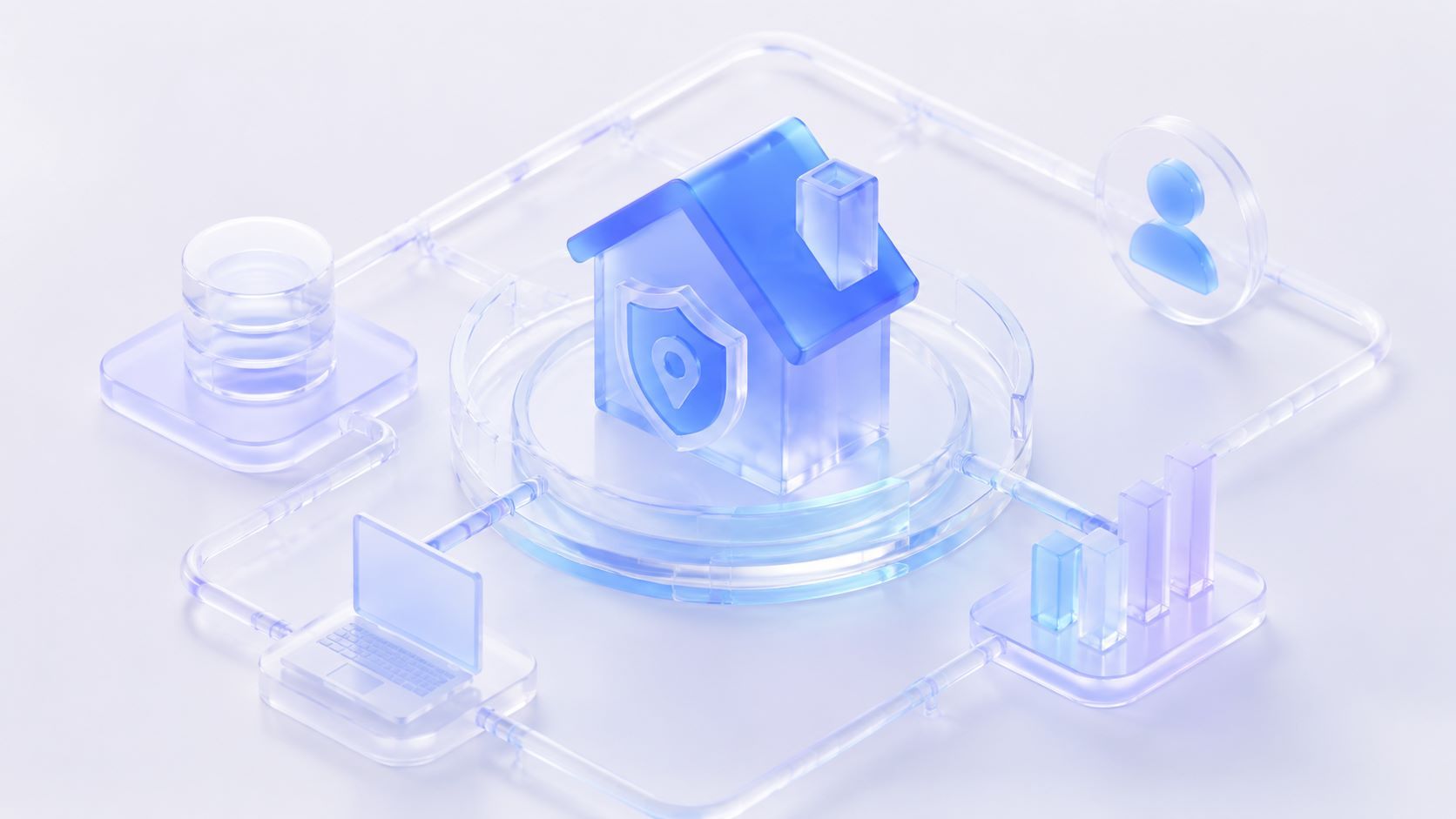
A static residential IP usually refers to a fixed IP address associated with an ISP network, with network characteristics similar to real residential broadband environments.
Compared with common data center IPs or dynamic IPs, it offers several advantages in improving account operating environments:
Providing a network environment closer to real users: Static residential IPs come from residential broadband networks and have identifiable ASN (Autonomous System Number) information.
On platforms such as TikTok, Amazon, and Facebook, these IPs are closer to normal user network characteristics rather than high-risk data center traffic, helping reduce the likelihood of abnormal verification caused by network factors.
Maintaining a stable login environment: Platforms closely monitor account login activity. Frequent IP changes or sudden location shifts may trigger security checks.
Due to their long-term stability, static residential IPs help maintain a consistent network connection and reduce verification issues caused by unstable environments.
Reducing account association risks: In multi-account operations, assigning relatively independent static residential IPs to different accounts can reduce risks caused by shared network connections.
If one account encounters an issue, this can help reduce potential impact caused by shared network environments and support more stable account management.
Key Factors Affecting Static Residential IP Stability
Although static residential IPs have natural advantages, their performance can be affected by multiple factors:
IP reputation and history: The historical reputation of an IP is important. If an IP was previously used for abuse, spam activities, or has been listed on blacklists, its trust level may be negatively affected.
Therefore, choosing clean and reliable IP resources is essential for maintaining stability.
Authenticity of ISP sources: High-quality static residential IPs usually have clear ISP ownership information and come from stable residential network resources.
Some providers may use data center IPs presented as residential IPs. Such IPs may be easier to identify in high-risk scenarios, resulting in lower stability.
Network quality and latency: Business performance depends on bandwidth and latency. Quality providers improve IP availability and connection stability through network monitoring and route optimization.
Unstable connections may interrupt data transmission and create abnormal connection patterns that can trigger platform security checks.
Consistency of the operating environment: IP stability also depends on other environmental factors.
For example, if the IP is located in the US but the browser timezone, language, or device fingerprint indicates China, this inconsistency may increase the chance of additional verification.
Conclusion
Static residential IPs are an important part of building a reliable network environment for cross-border businesses.
By providing a stable and consistent network connection, they can help reduce risks caused by unexpected IP changes.
For businesses seeking long-term and professional operations, choosing a reliable static residential IP provider is an important step toward stable growth.
For professional static residential IP solutions, visit IPDeep official website.
Frequently Asked Questions (FAQ)
Q1: What is the difference between static residential IPs and regular proxy IPs (data center IPs)?
The main differences are their sources and network reputation. Static residential IPs come from residential networks, remain stable, and have characteristics closer to real users.
Data center proxies usually come from server networks and may face stricter detection and verification on some high-risk platforms.
Q2: Can one static residential IP manage multiple accounts?
For high-risk platforms such as TikTok and Amazon, businesses managing multiple accounts are generally advised to use relatively independent network environments to reduce risks caused by repeated network usage.
Q3: Will using a static residential IP affect internet speed?
Latency depends on factors such as target location, network quality, and connection distance. Actual node testing is recommended to ensure performance meets e-commerce and video streaming needs.
Q4: Are accounts completely safe after using a static residential IP?
No. IP is only one important factor affecting risk. Account security also depends on content compliance, activity patterns, and browser fingerprint environments.
Combining high-quality IP resources with proper operating strategies is the key to achieving long-term stability.