




Which Businesses Need German Static Residential IPs?



Clean IP picks: Static IPs from $1.5 each, Dynamic IPs from $0.5/GB


In cross-border global expansion, the authenticity and stability of your network environment often determine the success or failure of a project. As the largest economy in the European Union, Germany's internet ecosystem commands widespread attention from global sellers.
For businesses that need to establish a deep footprint in the German market, German static residential IPs have become an essential foundational tool for building a localized network environment.
This article delves into the actual value of this resource across several dimensions, including IP quality, stability, and practical application scenarios.
What Is a German Static Residential IP? Where Do Its Core Quality Advantages Lie?
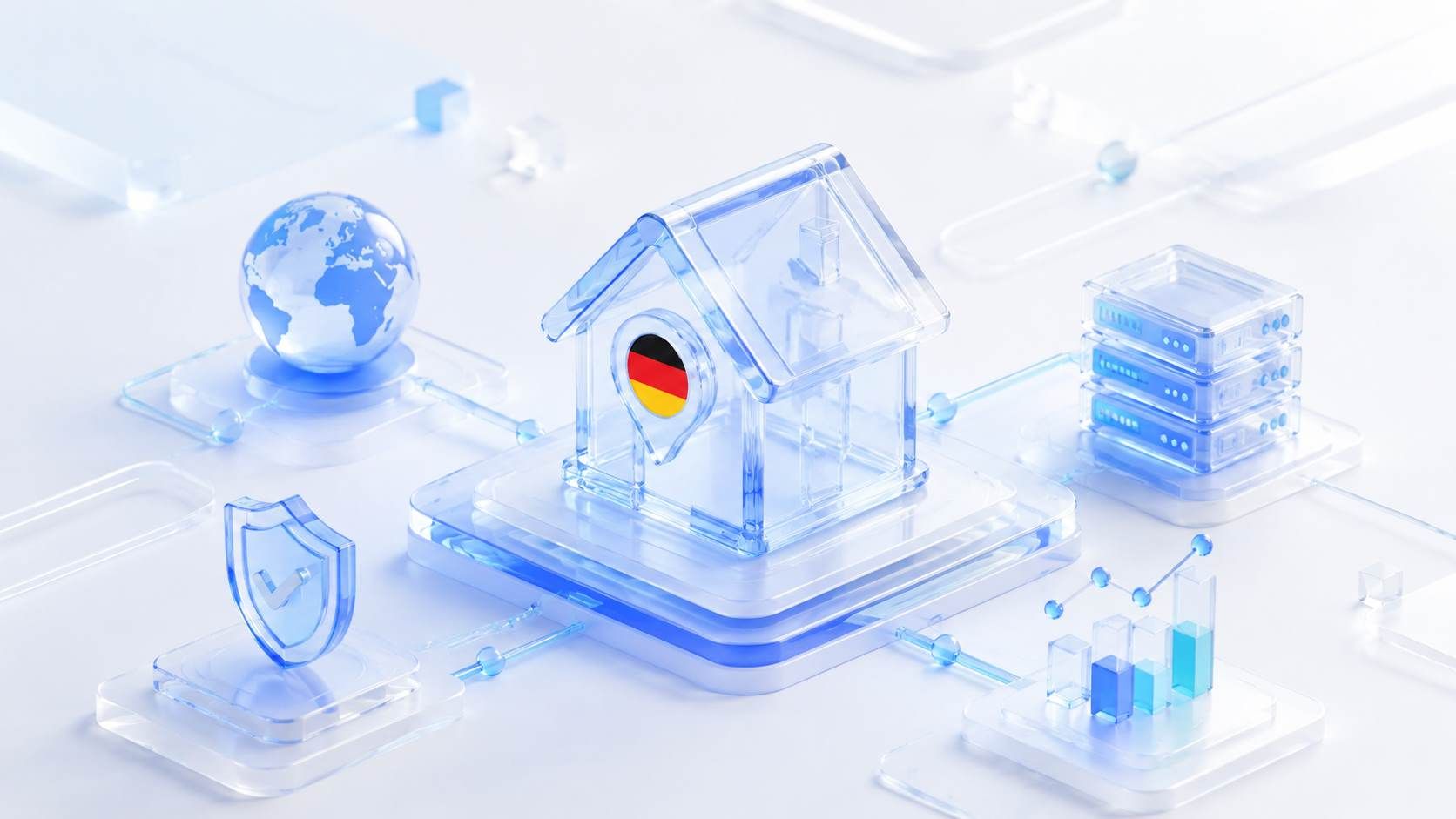
A German static residential IP refers to a residential-grade exit IP sourced from local Internet Service Providers (ISPs) in Germany—such as Deutsche Telekom, Vodafone, or O2—and allocated to users on a fixed, long-term basis.
Compared with standard data center IPs (server farm IPs), its key quality advantages manifest in the following areas:
Higher Environment Authenticity and Trustworthiness: Unlike data center IPs, which target platforms easily flag as proxies or automation tools, residential IPs originate from genuine home broadband networks. They typically carry a stronger network reputation, making it easier to pass basic risk checks on major platforms.
Dedicated Resources and Environment Purity: High-quality static residential IPs usually operate on a dedicated model (meaning a single IP is exclusively used by one user during the service period). This prevents cross-contamination caused by other users' policy violations, ensuring a clean operating environment.
Precise Localization Attributes: These IPs provide access identities with specific German city-level geographic tags, allowing users to accurately replicate the browsing characteristics of a real local user.
Stability Analysis: Why Is "Static" the Key Factor?
Among proxy services, dynamic IPs excel at large-scale, short-cycle HTTP data collection, whereas static residential IPs focus on identity consistency and long-term network stability.
Consistent Long-Term Identity: Static residential IPs maintain the same address over extended periods, which is vital for operations requiring persistent login sessions. Frequently shifting IPs often directly trigger platform risk alerts.
High Availability and Connection Reliability: Reputable providers (such as IPDEEP) employ node management and health-checking mechanisms to maximize uptime and connection reliability, reducing the risk of business disruptions caused by network anomalies.
Better Connection Experience: Because static residential IPs eliminate the overhead associated with frequent proxy node switching, they incur lower overhead during sustained connections, offering a smoother browsing experience and more predictable response times.
Which Business Models Benefit Most from German Static Residential IPs?
Based on real-world industry feedback, four main business sectors represent the core application scenarios for German static residential IPs:
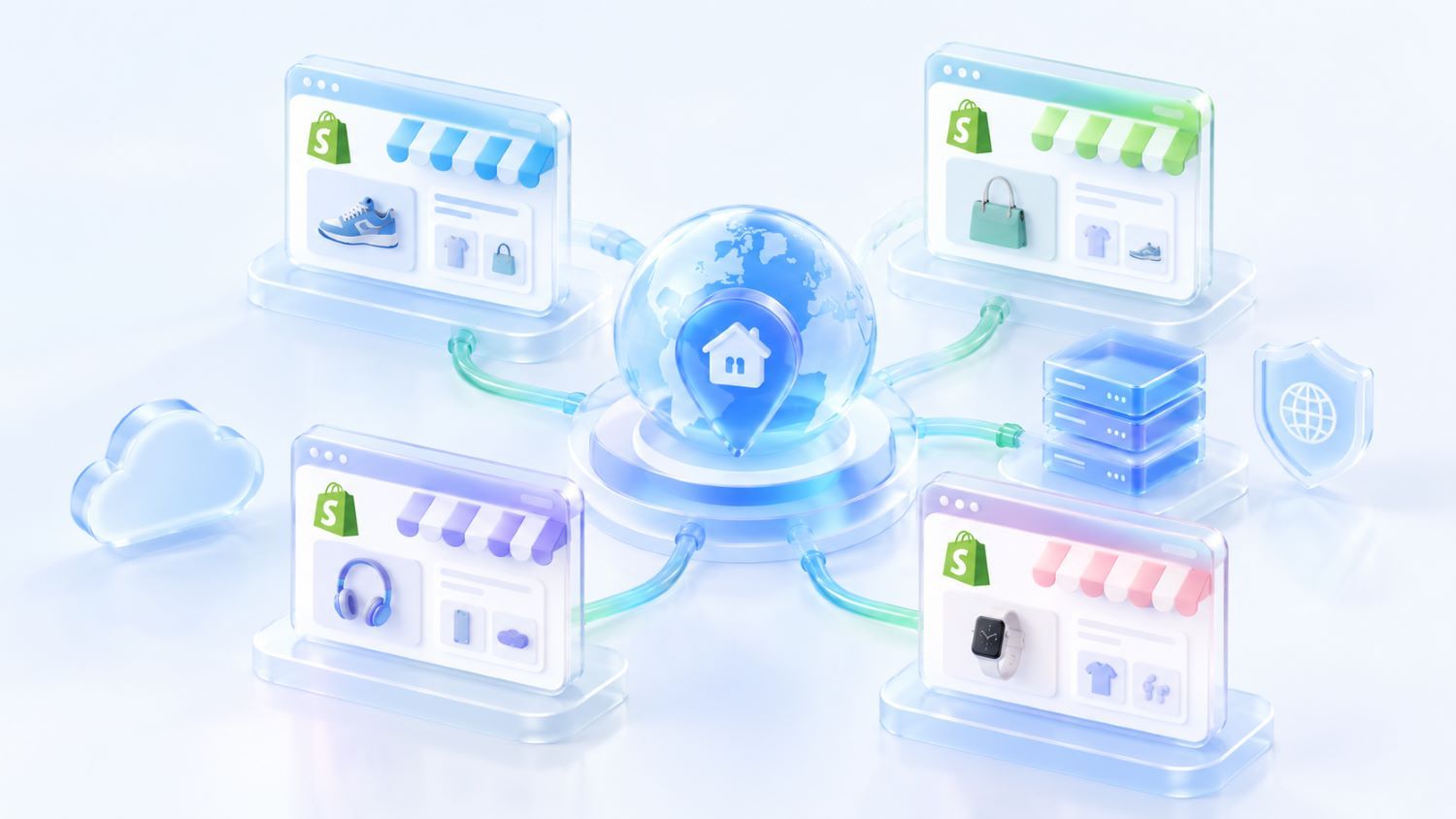
1. Cross-Border E-Commerce Store Management (Shopify, Amazon, eBay)
For sellers running German independent storefronts or managing multi-store setups on global e-commerce platforms, a stable and isolated network setup is a fundamental operational necessity:
Mitigating Risk Flags: Logging into store seller centers using a fixed residential IP prevents security reviews and verification prompts triggered by frequent network environment changes.
Improving Access Success Rates: Compared to cloud server IPs, residential IPs are much less likely to trigger security blocks when accessing marketplaces or integrating connected services, helping maintain long-term account stability.
2. Social Media Account Management (TikTok, Facebook, Instagram)
Social platforms maintain sensitive detection mechanisms regarding login environments. Utilizing a German static residential IP to register and manage accounts helps build an authentic local profile:
TikTok: Easily simulates a local German network environment, providing stable infrastructure for long-term account matrix maintenance and localized content distribution.
Facebook / Instagram: Reduces risk reviews on ad accounts caused by abnormal IP environments, keeping login histories clean and consistent.
3. Competitor Analysis and Market Research
When gathering public pricing, inventory, or promotional data from local German e-commerce sites (such as OTTO or MediaMarkt):
Static residential IPs allow you to view target sites from the perspective of an ordinary local consumer. This reduces CAPTCHA challenges caused by unnatural network traffic and improves data collection efficiency and consistency.
4. Brand Protection and Ad Verification
Companies can leverage German static IPs to view advertising campaigns from the actual vantage point of a local user:
This allows you to verify whether ads are being displayed correctly to real target audiences in specific regions of Germany, while checking for invalid impressions or ad fraud to safeguard brand investments.
Summary and Recommendations
With their high stability, trusted reputation, and authentic user profile, German static residential IPs have become a preferred infrastructure choice for cross-border e-commerce, social media operations, and localized web scraping.
When selecting a provider, it is best to evaluate IP pool authenticity, latency metrics, and access to responsive technical support.
💡 Note: While a proxy IP is a critical component for optimizing network environments, it is not a silver bullet on its own. Pairing your proxies with proper antidetect browser management and compliant operating practices is the most reliable way to ensure long-term account safety.
If you need high-quality global IP resources, visit the IPDeep Official Website for technical support and customized solutions.
Frequently Asked Questions (FAQ)
Q1: Can I use one IP across multiple stores or accounts?
It is not recommended. To prevent cross-account association, the safest approach is to follow the "one account, one IP" rule by assigning a dedicated static residential IP to each critical account.
Q2: Will a static residential IP slow down my connection speed?
This largely depends on your provider's network routing and infrastructure optimization.
Quality providers keep latency within reasonable ranges (typically around 100ms – 500ms for regional or cross-border connections), which comfortably handles daily operations and data request workflows.
Q3: How do I evaluate the quality of a proxy IP?
Focus on four main criteria: IP purity (whether it appears on blocklists), source authenticity (whether it is recognized as a residential ISP), geographic precision, and long-term connection stability.